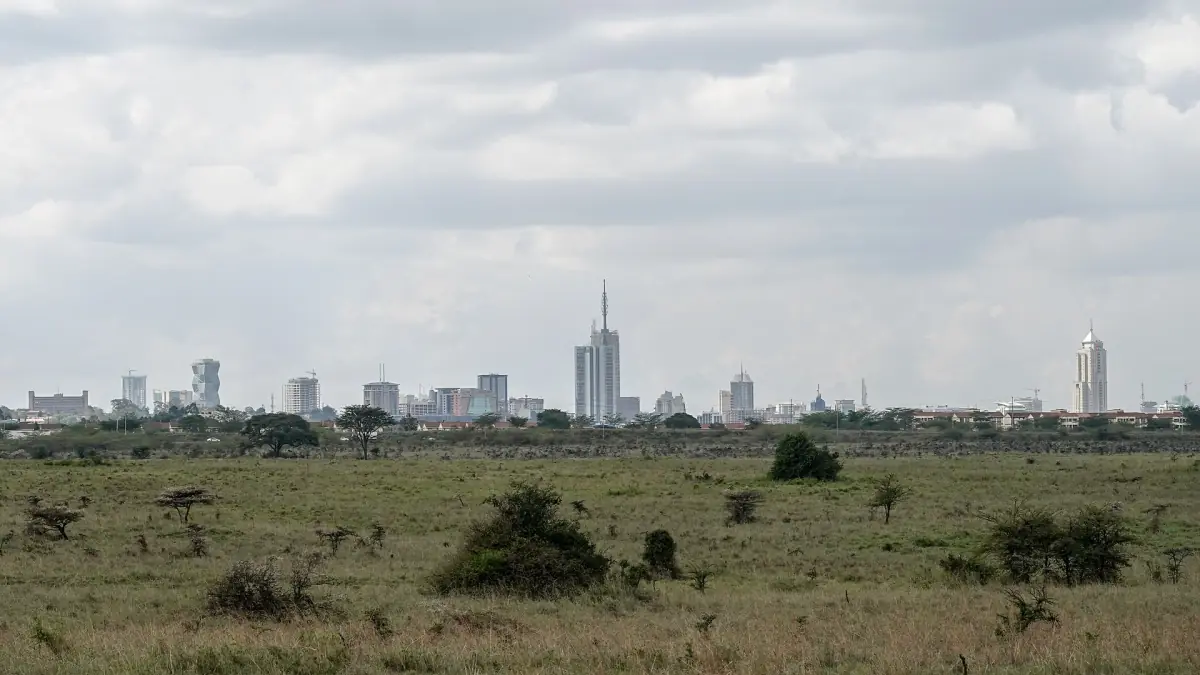
Nairobi National Park history at a glance
Nairobi National Park was established in 1946 and is the first national park in Kenya. It covers 117 km² on the southern edge of Nairobi, and the skyline of the city forms the backdrop for wildlife watching. The landscape is open grassland with river woodland and dry forest, and the park is fenced on three sides. In the south it connects to the Kitengela and Athi-Kapiti rangelands.
That link to the south has long mattered, because animals move in and out of the park across open land. Building and fencing outside the boundary have put that link under pressure, so treat the picture of the corridors as historical. Today you can see the park on a Nairobi National Park safari.
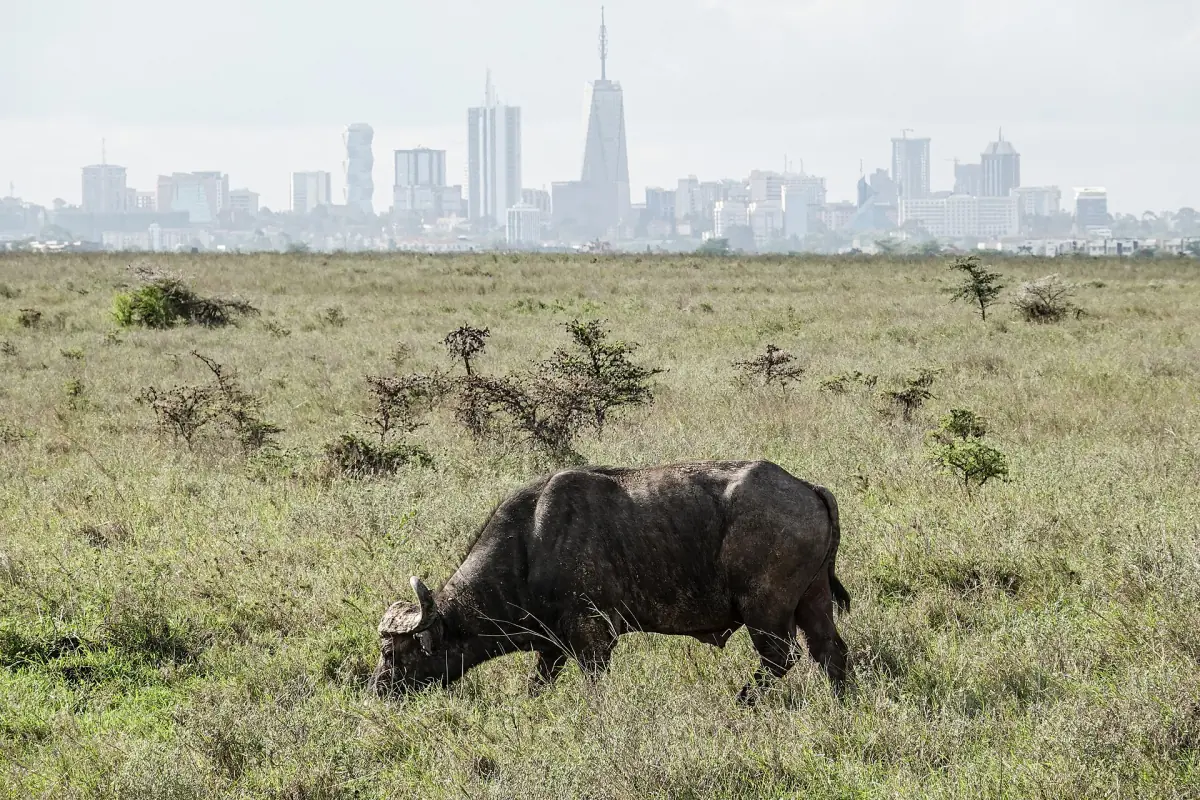
How Kenya's first national park began
A campaign, not a single founder.
The Kenya Wildlife Service dates the park to 1946. Mervyn Cowie is often named for his role in the campaign for national parks and for Nairobi's park in particular. It is safer to see the park as the result of a wider push than as the work of one person.
Since then the park has become part of the national park system run by the Kenya Wildlife Service, with a management plan for 2020 to 2030. The plan maps the gates, the camp, the rail and road lines and other special uses of land.
Nairobi National Park tours
Game drives and day tours in the park, with live prices and availability.
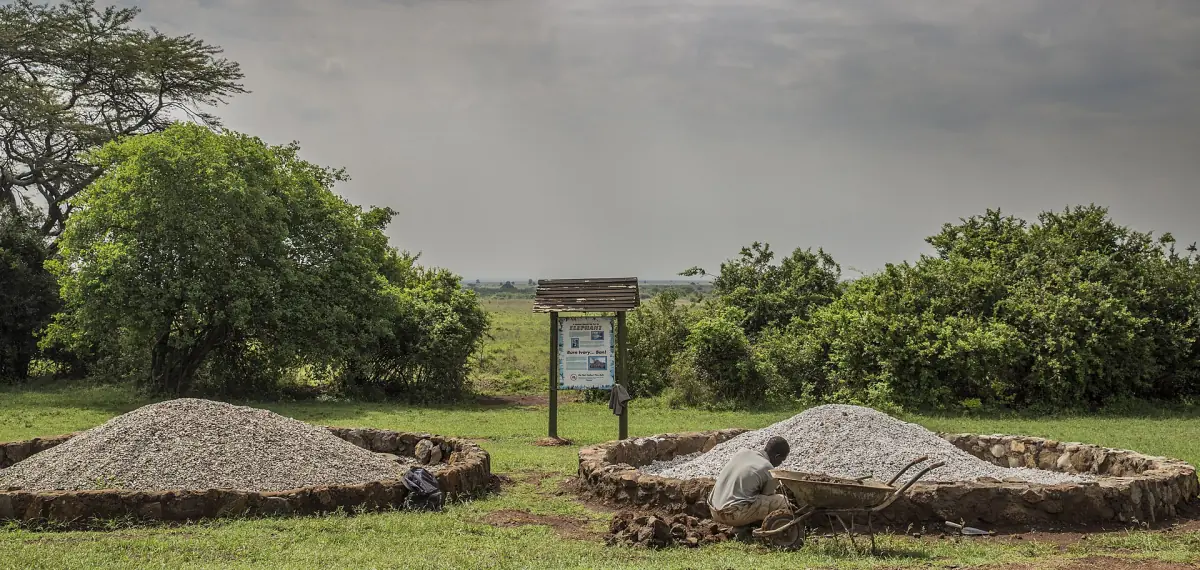
The Ivory Burning Site and the burns of 1989 and 2016
Two events that put the park in the news.
July 1989: the first burn
In July 1989 Kenya held its first ivory burn. It is the starting point for the later burns that the Ivory Burning Site is known for.
2016: 105 tonnes of ivory
In 2016 Kenya burned 105 tonnes of ivory and about 1.3 tonnes of rhino horn. These are two different materials and two different amounts, so do not add them together.
The site today
The Ivory Burning Site is where the burn pits are, ringed with stones on an open meadow. Ask your guide or driver whether it is on your route, because stops depend on the day.
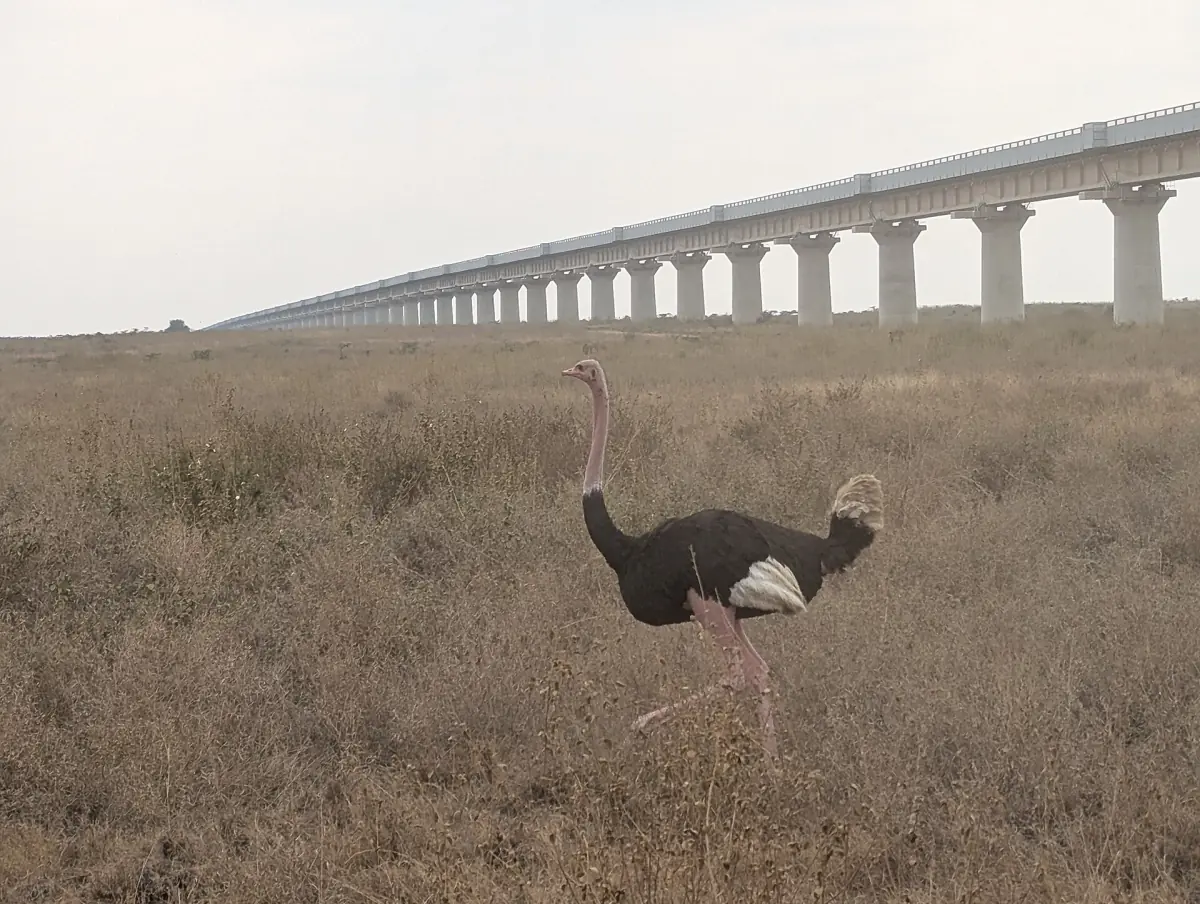
Railway, roads and building debates
The city presses on the park.
Railway and Southern Bypass
The management plan for 2020 to 2030 maps rail and road lines through the area. The right of way for phase 2A of the Standard Gauge Railway and the land taken for the Southern Bypass are part of this history. These are past works and not a list of current building sites. The raised railway bridge is visible from parts of the park.
Animal Orphanage plans
On 8 June 2026 there was a protest at the Main Gate against building and relocation plans linked to the Animal Orphanage. The Kenya Wildlife Service described the project as an expansion of the orphanage. This shows neither that a move has taken place nor that visits have stopped. See our Nairobi Animal Orphanage page.
Fees from 1 October 2025
A new fee tariff took effect on 1 October 2025, with a non-resident adult fee of $80 and a child fee of $40. See the Nairobi National Park entry fee page.
Timeline of Nairobi National Park
Dates that matter for a visit.
| Year | Event |
|---|---|
| 1946 | Nairobi National Park established, Kenya's first national park |
| 1989 | First ivory burn, in July |
| 2016 | 105 tonnes of ivory and about 1.3 tonnes of rhino horn burned |
| 2020 to 2030 | Period of the park management plan |
| 2025 | New fee tariff from 1 October |
| 2026 | Protest at the Main Gate on 8 June about Animal Orphanage plans |
For most visitors, the history is easiest to understand on the ground: a half-day game drive in the park shows the grassland and the skyline that the story is about.
Wildlife and protection through the years
Why the park matters beyond the skyline.
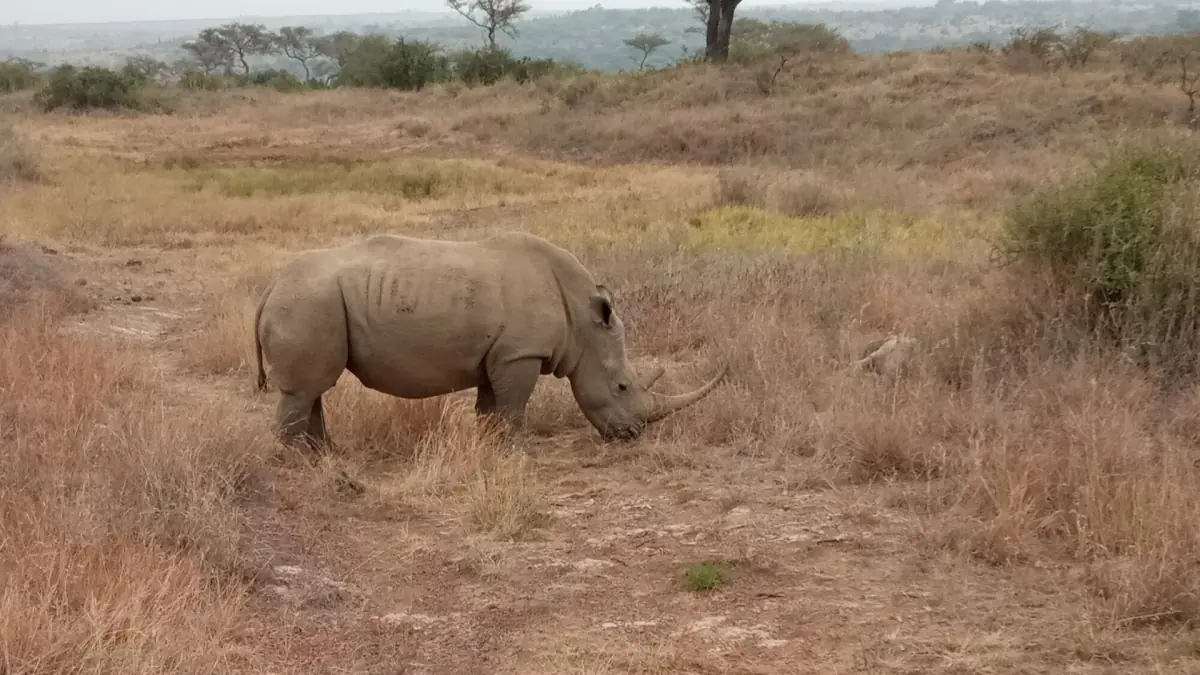
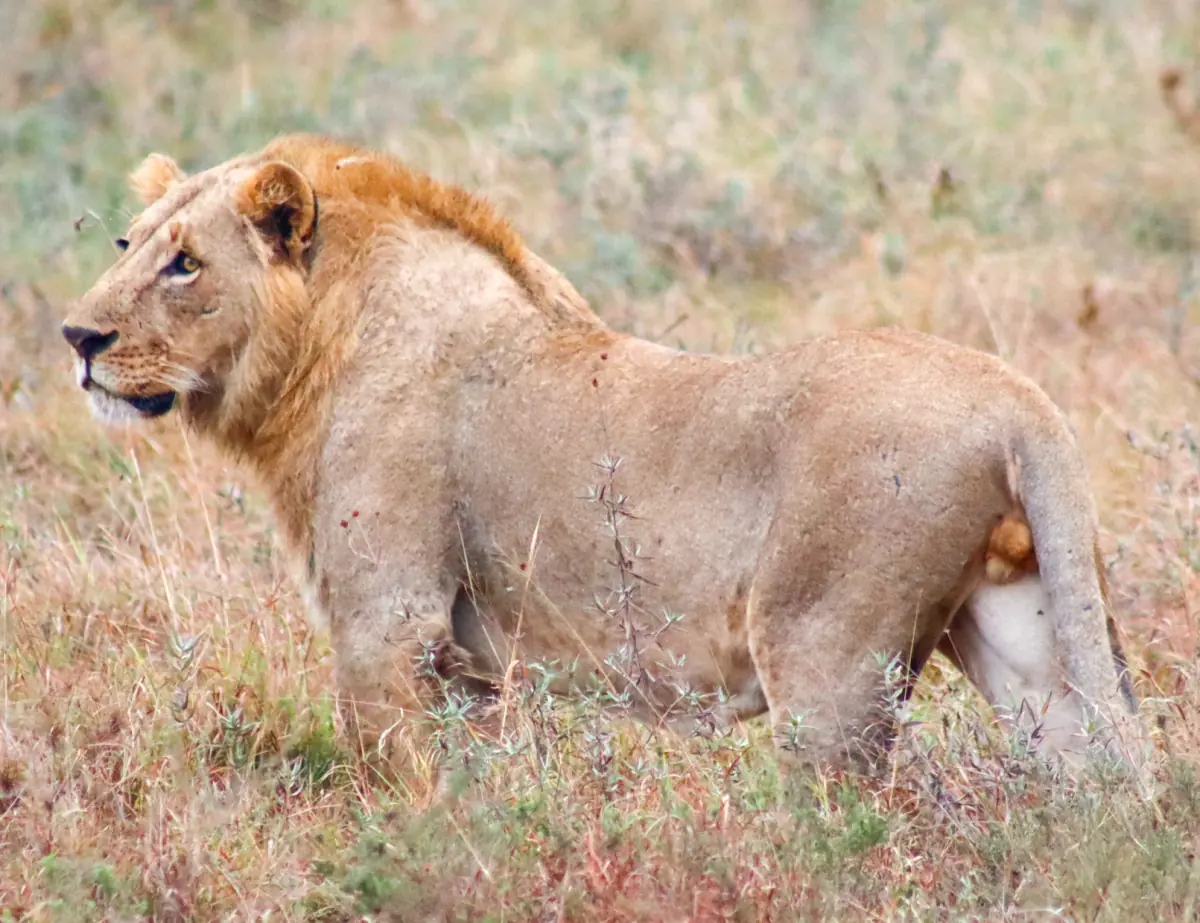
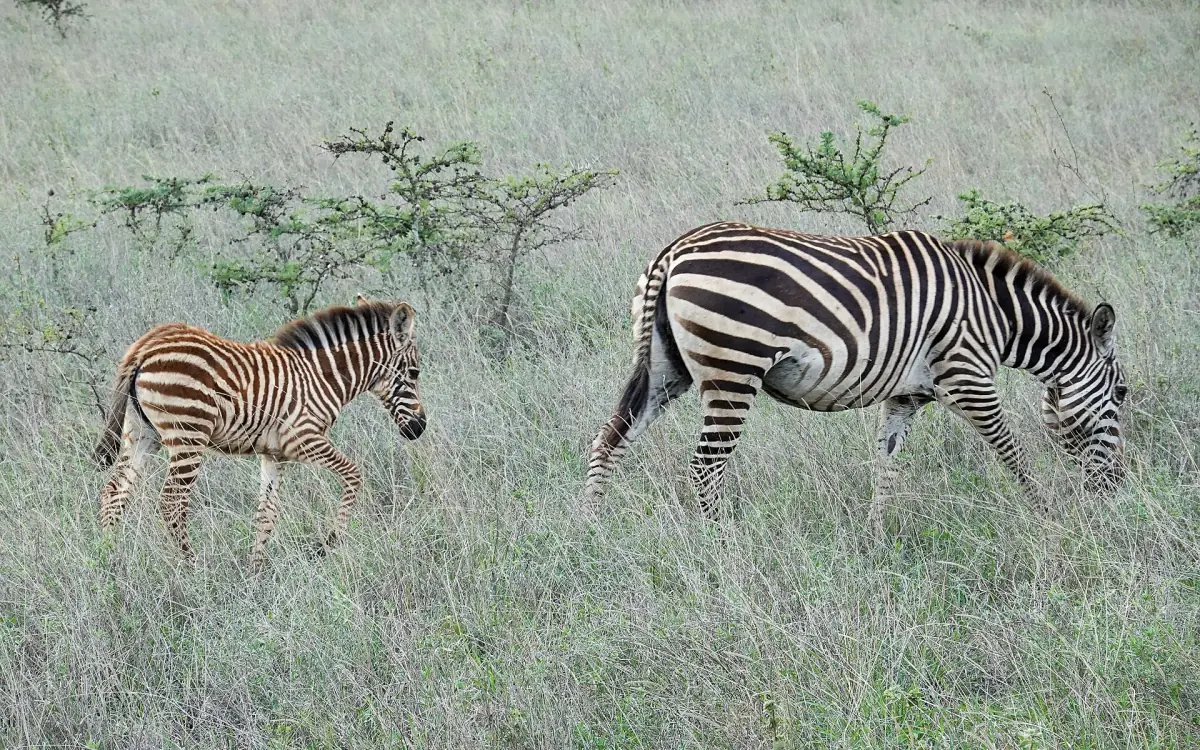
The Kenya Wildlife Service names lions, rhinos, giraffes and other savanna animals as the park's wildlife, with more than 400 bird species and more than 100 animal species. It stresses the park's role in protecting black rhinos. Both black and white rhinos have been recorded here in the past, but check the current count with KWS and do not rely on a rhino number for any given year.
None of this guarantees a sighting on your day. Elephants raised at the Sheldrick nursery are in care and are not a free-living herd, which is why the park is described as having no wild elephants. For the animals themselves, see our Nairobi National Park animals guide.
Nairobi National Park history: frequently asked questions
When was Nairobi National Park founded?
In 1946. It is the first national park in Kenya.
Who founded Nairobi National Park?
Mervyn Cowie is often named for his role in the campaign, but the park came out of a wider effort and is not usually credited to one person alone.
What is the Ivory Burning Site?
It is where Kenya burned ivory, in 1989 and again in 2016, when 105 tonnes of ivory and about 1.3 tonnes of rhino horn were burned.
Is the park fenced?
It is fenced on three sides, with a link to the Kitengela and Athi-Kapiti rangelands to the south.
Is there a railway through the park?
A railway line and a raised bridge are mapped in the management plan for 2020 to 2030, together with the Southern Bypass. Check current conditions for the route you plan.
Is this the official park website?
No. This is an independent guide with no connection to the Kenya Wildlife Service.